
```html



```
How to Book a Charter Bus in Plano
Booking a charter bus in Plano becomes much easier when the process is treated like building a small travel plan instead of simply choosing a vehicle. Start with the people, then the route, then the timing. Once those three pieces are clear, it becomes much simpler to decide whether your group needs a minibus, shuttle, or full-size motorcoach.
Plano group transportation can cover everything from corporate meetings and wedding shuttles to school outings, sports travel, airport transfers, and multi-city trips around the Dallas–Fort Worth area. Current Plano charter-bus resources commonly ask for information such as passenger count, pickup and drop-off locations, dates, times, and special requirements before matching a group with a vehicle.
Related Group Transportation Resources
Wedding Travel
Texas Wedding Bus Resource
Planning ideas for transporting wedding guests and wedding parties.
Corporate
Texas Corporate Bus Resource
Useful group transportation ideas for companies and business events.
Charter Bus
Texas Charter Bus Resource
A broader guide for organizing group transportation around Texas.
Employee Shuttle
Employee Shuttle Resource
Ideas for recurring employee and workplace transportation.
Airport Travel
Airport Bus Resource
Related planning ideas for moving groups between airports and destinations.
North Texas
Allen Charter Bus Resource
A nearby-area resource for groups traveling around North Texas.
School Travel
School Trip Bus Resource
Transportation planning ideas for students and school groups.
Field Trips
Field Trip Bus Resource
Helpful ideas for organizing educational group outings.
Airport Transfer
Allen Airport Bus Resource
A related guide for coordinating larger airport transfers.
Sports Travel
Sports Team Bus Resource
Group transportation ideas for athletes, coaches, and equipment.
These resources are included as related reading for different types of group transportation.
Step 1: Write Down the Trip Before Contacting a Bus Company
The first booking decision is not the bus. It is the itinerary. A transportation provider needs enough information to understand what the vehicle will actually be doing throughout the day.
- Number of passengers
- Travel date
- Pickup address
- Final destination
- Pickup time
- Approximate return time
- Number of stops
- One-way or round-trip travel
- Luggage requirements
- Sports or event equipment
- Accessibility requirements
- Preferred onboard amenities
Helpful habit:
Put every planned stop into one simple itinerary. “Plano to Dallas for a conference” tells a provider much less than a schedule showing the hotel, conference venue, lunch stop, evening event, and return location.
Step 2: Decide What Size Bus Makes Sense
Once the itinerary exists, look at passenger capacity. Current Plano transportation listings commonly describe minibuses in the smaller-group range and full-size coaches for substantially larger groups. Some local operators list vehicles ranging from about 18 passengers through 56-passenger motorcoaches.
| Trip profile | Possible vehicle direction | Booking consideration |
|---|---|---|
| Small group | Minibus or shuttle | Look for a comfortable layout without excessive unused capacity. |
| Medium group | Minibus or mid-size coach | Consider luggage, trip length, and the number of stops. |
| Large group | Full-size motorcoach | Prioritize seating, storage, comfort, and longer-trip amenities. |
| Sports team | Coach with substantial storage | Count players and staff separately from equipment. |
Do not automatically choose the largest bus simply because it is available. A smaller vehicle may be easier for certain local routes, while a larger coach can be much more appropriate when a group has luggage, equipment, or several hours of travel.
Step 3: Gather Your Booking Information
Passenger count
Give the most realistic headcount available. If the final number is not known, explain the expected range rather than guessing.
Addresses
List the actual pickup and drop-off locations whenever possible. Hotels, offices, schools, venues, and private residences can have different access arrangements.
Schedule
Include departure time, arrival expectations, intermediate stops, and when the group needs transportation again.
Special needs
Mention accessibility requirements, large equipment, luggage, child seating considerations, or other details before the vehicle is finalized.
These details matter because a charter-bus booking is built around the trip rather than a generic “bus for a day.” Providers serving Plano commonly request information such as dates, locations, passenger count, and special requests as part of the reservation process.
Step 4: Compare More Than the Bus Photograph
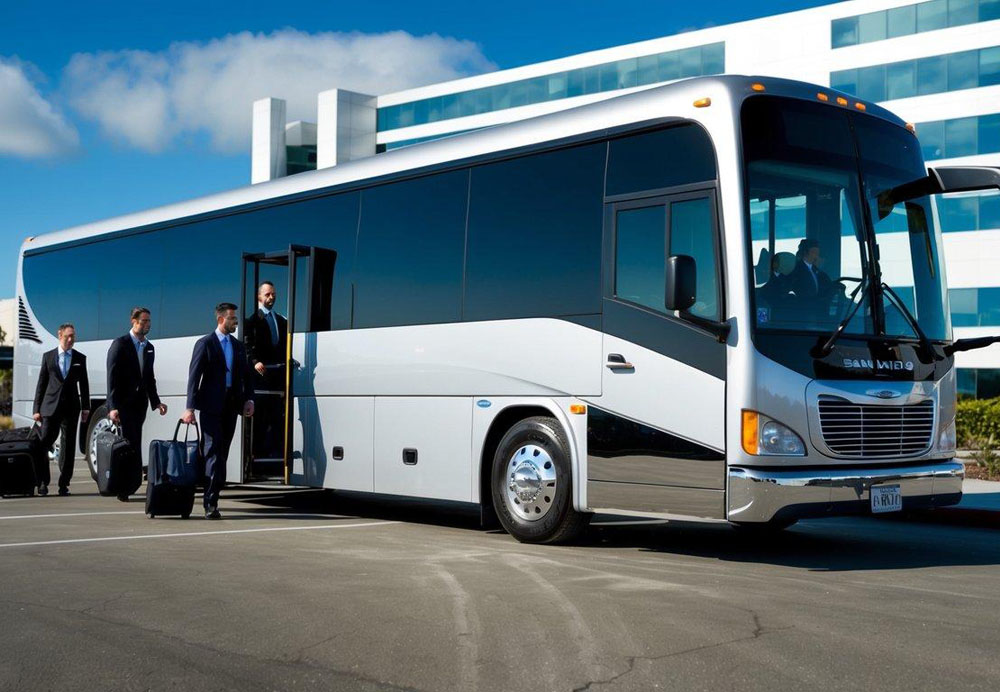
A polished fleet photograph can tell you what a vehicle looks like, but it does not tell you whether that particular vehicle fits your trip. When comparing booking options, ask about the actual coach or minibus assigned to your reservation.
Vehicle questions
- How many passengers can it seat?
- How much luggage storage is available?
- Are seats reclining?
- Are power outlets or USB ports available?
- Is Wi-Fi offered?
- Does the vehicle have a restroom?
- Is the vehicle wheelchair accessible?
Service questions
- Who handles the itinerary?
- How are pickup changes communicated?
- What happens if the schedule changes?
- Are multiple stops permitted?
- How is driver scheduling handled?
- What is included in the booking?
- What policies apply to cancellation or changes?
Step 5: Book According to the Type of Trip
The booking process looks slightly different depending on why the group is traveling. A wedding organizer is thinking about guest movement, while a school coordinator may be focused on supervision and a sports manager may be focused on equipment.
Weddings
Map the hotel, ceremony, reception, and any additional stops. Build extra loading time into the schedule because wedding transportation rarely involves a single simple pickup.
Corporate events
Include office locations, hotels, conference facilities, meals, and networking events. If employees need repeated transportation during the day, discuss a shuttle-style schedule.
School trips
Confirm student and chaperone counts, destination rules, luggage or supplies, accessibility needs, and the expected loading process.
Sports travel
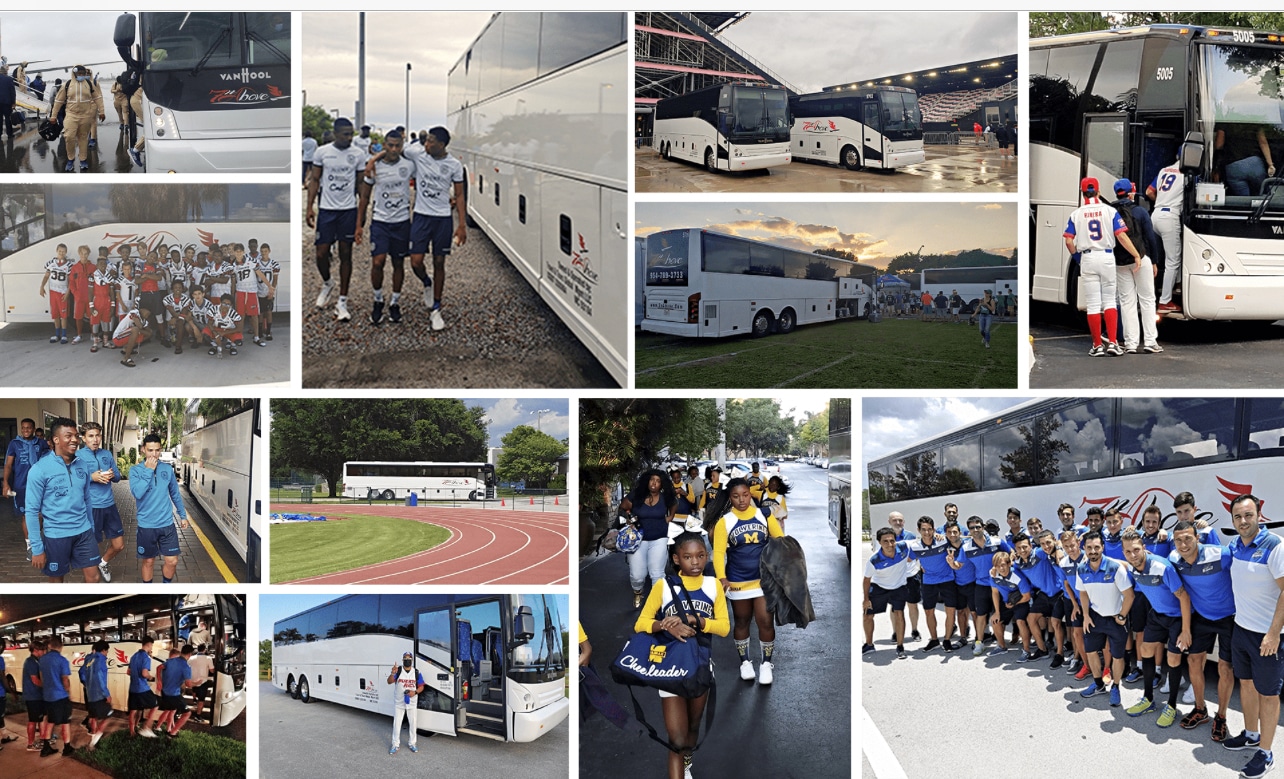
Count people and gear separately. Team transportation can require considerably more storage than a group of the same size traveling without equipment.
Step 6: Think About Timing Before the Reservation Is Final
Booking early is particularly useful for fixed-date events such as weddings, tournaments, school calendars, conferences, and graduation activities. Some Plano-area charter-bus companies recommend planning several months ahead, especially when travel coincides with busy seasons or major local events.
That does not mean every trip requires the same lead time. A simple weekday transfer can be very different from a large wedding weekend or a multi-day sports tournament. The important point is to start once the date and basic itinerary are known, rather than waiting until every minor detail is finished.
Calendar trick:
Mark three times on your planning sheet: the time passengers must leave, the time they need to arrive, and the time the event itself begins. Those are three different pieces of information, and confusing them is an easy way to create a rushed transportation schedule.
Step 7: Review the Reservation Details
Before considering the booking complete, read through the reservation information as if you were the driver seeing the trip for the first time. The itinerary should make sense without requiring someone to explain it verbally.
- Correct travel date
- Correct passenger count
- Exact pickup location
- Exact destination
- Correct departure time
- All intermediate stops
- Return or final drop-off details
- Vehicle type and capacity
- Requested amenities
- Accessibility requirements
- Special luggage or equipment needs
- Provider's change and cancellation terms
Plano Charter Bus Booking Questions
How far ahead should I book a charter bus in Plano?
Earlier is generally better for weddings, school trips, tournaments, conferences, and other events with fixed schedules. Some Plano-area providers recommend several months of advance planning, with longer lead times for peak periods.
What information do I need to book a charter bus?
Have the travel date, passenger count, pickup address, destination, departure time, expected duration, number of stops, and special requirements ready. Luggage, sports equipment, accessibility needs, and preferred amenities should also be mentioned.
Should I book a minibus or a charter coach?
It depends on the size and nature of your group. Smaller groups may fit comfortably in a minibus, while larger groups or travelers carrying substantial luggage or equipment may benefit from a full-size motorcoach. Plano-area listings commonly advertise both categories.
Can a Plano charter bus travel outside the city?
Many providers serving Plano also handle trips throughout the Dallas–Fort Worth area and longer Texas itineraries. Tell the transportation company about every city and major stop involved so the itinerary can be planned correctly.
What amenities should I ask about?
Depending on the vehicle, amenities may include Wi-Fi, power outlets, reclining seats, entertainment systems, luggage storage, climate control, and onboard restrooms. Availability varies by vehicle, so confirm the features of the coach assigned to your trip rather than assuming every bus has the same equipment.
What is the biggest booking mistake to avoid?
The biggest practical mistake is providing an incomplete itinerary. A passenger count without addresses, times, stops, luggage requirements, or special needs makes it harder to match the right vehicle and schedule.
The Simple Plano Booking Formula
Think of the process in this order: people → places → timing → vehicle → details → reservation. Start by knowing who is traveling and where everyone needs to go. Add the schedule, choose a bus that genuinely fits the group, and then document the details that could affect the trip. That approach turns “I need a charter bus in Plano” into a clear transportation plan that a provider can actually work with.
